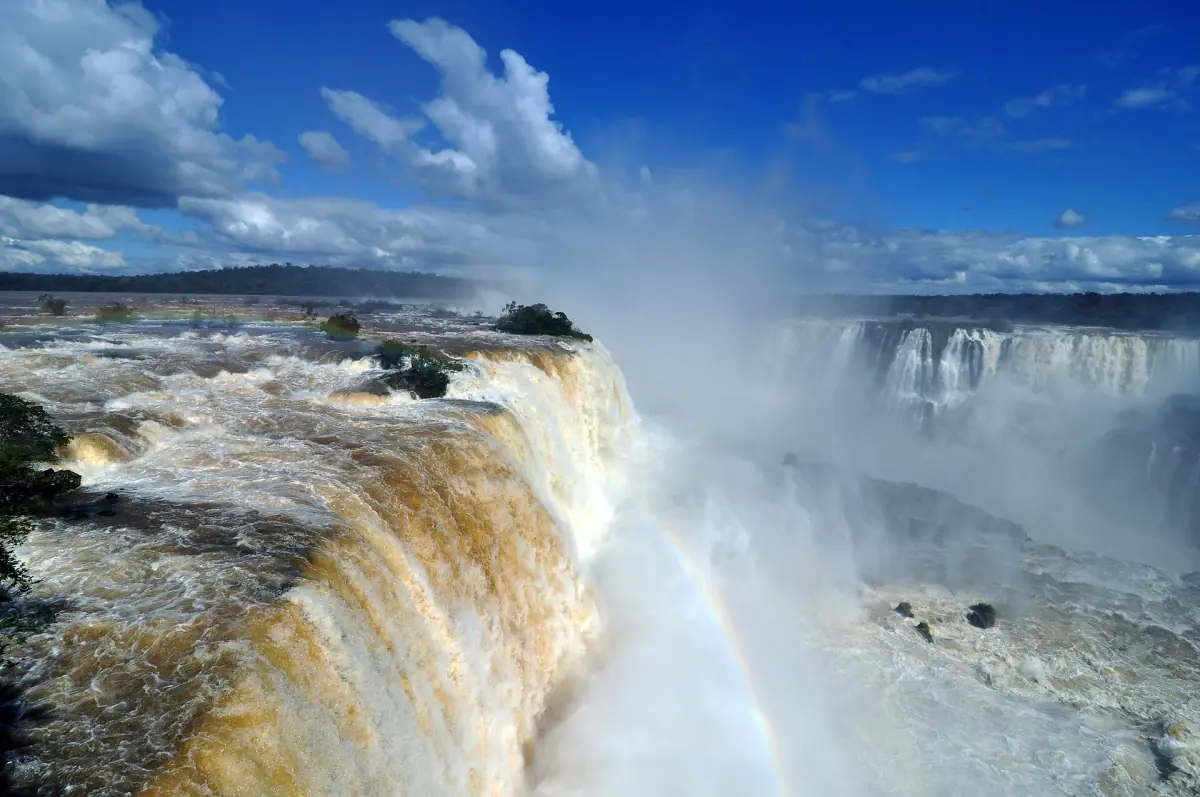
Iguazu Falls National Park in Brazil at a glance
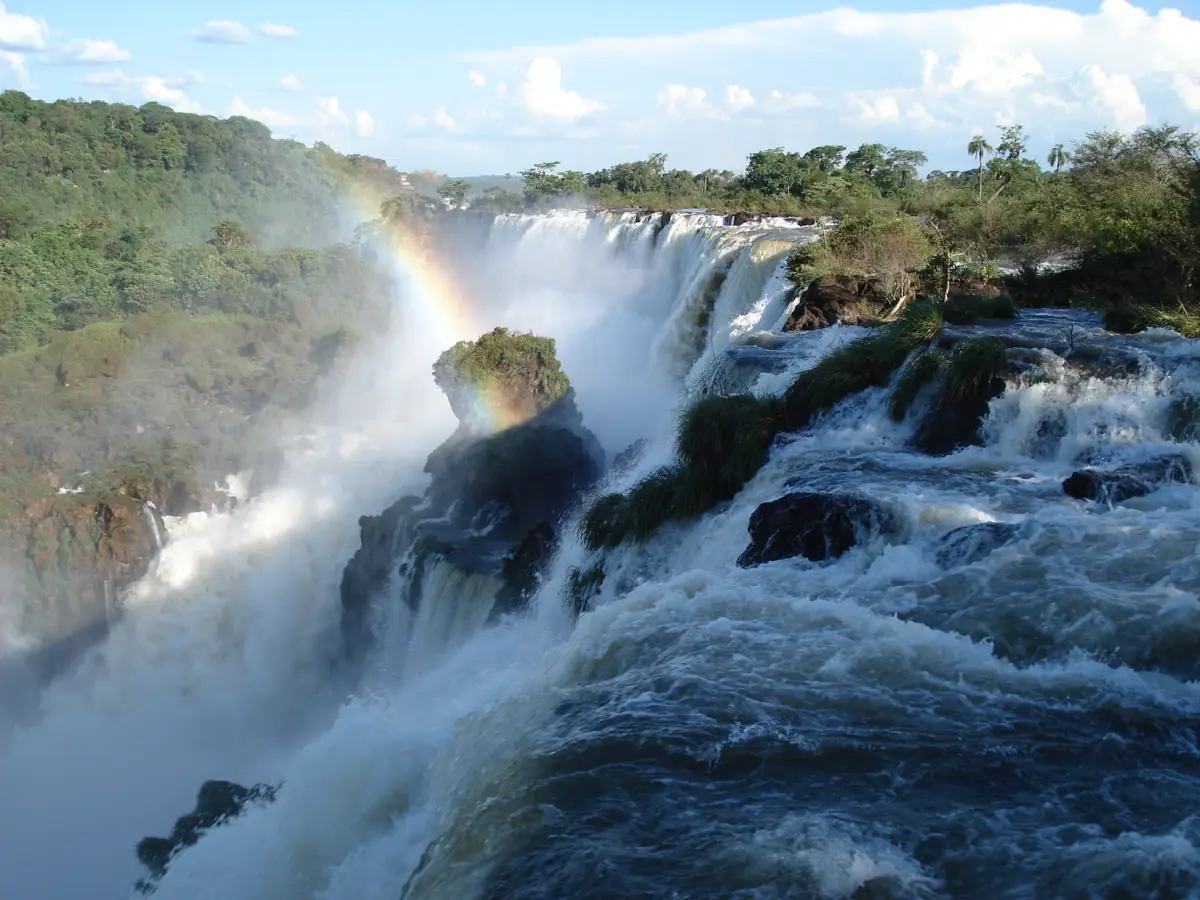
Iguazu Falls National Park in Brazil is officially called Parque Nacional do Iguaçu, or Iguaçu National Park. It lies in the state of Paraná, near the city of Foz do Iguaçu, and protects Atlantic Forest, known in Portuguese as Mata Atlântica. The falls you see from the Brazilian walkways are the main attraction, but the park is far larger than the falls trail.
The protected area is managed by ICMBio, the federal conservation agency. Visitor services such as ticketing, buses and food are run under a concession and are separate from that management. Most people enter at the main visitor area and walk the Trilha das Cataratas. If you want a guided visit with transport, see our Iguazu Falls tours.
Park facts in numbers
Two different area figures exist, because they describe different things.
| Topic | Detail |
|---|---|
| Created | 10 January 1939, by Decreto-Lei 1,035 |
| Park area (ICMBio) | 185,262 ha |
| World Heritage area (UNESCO) | 169,695.88 ha, listed in 1986 |
| Habitat | Atlantic Forest (Mata Atlântica) |
| Falls in the area | About 275 falls, up to 80 m high |
| Falls front | About 2.7 km to almost 3 km |
Our picks: both parks in one day
This trip covers the Brazilian and the Argentine national park with a bilingual guide.
Hand-picked tours, booked through Viator. Prices are indicative starting prices in US dollars (as of October 2026). Tap a tour for live availability and the current price in your currency.
Guided visits to Iguaçu National Park
Falls tours with transfers from Foz do Iguaçu, with live prices and availability.
The national park and the falls
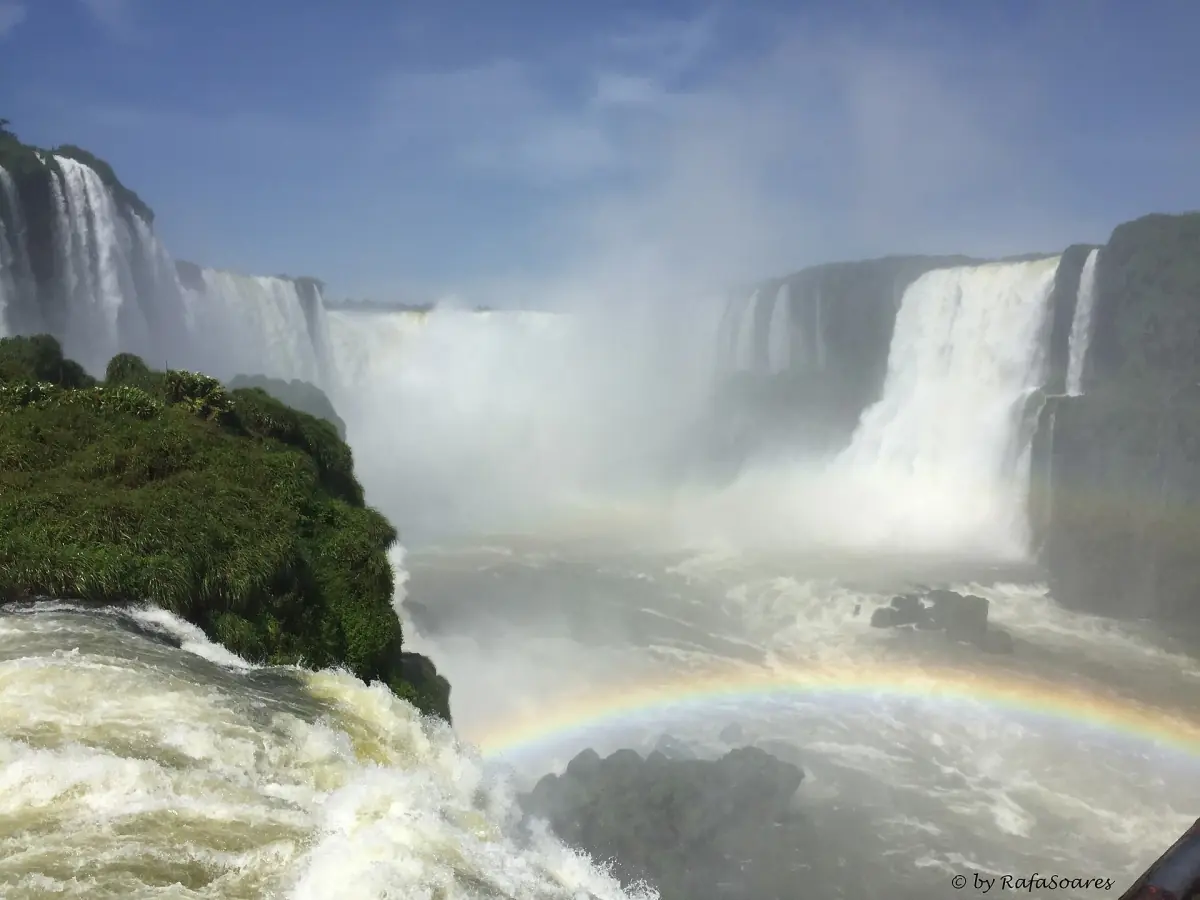
The falls are shared by two countries. The Brazilian side has the panoramic walk along the river canyon, while the park on the Argentine side is a separate protected area. If you also want to cross the border, our page on the Argentine side explains the day trip.
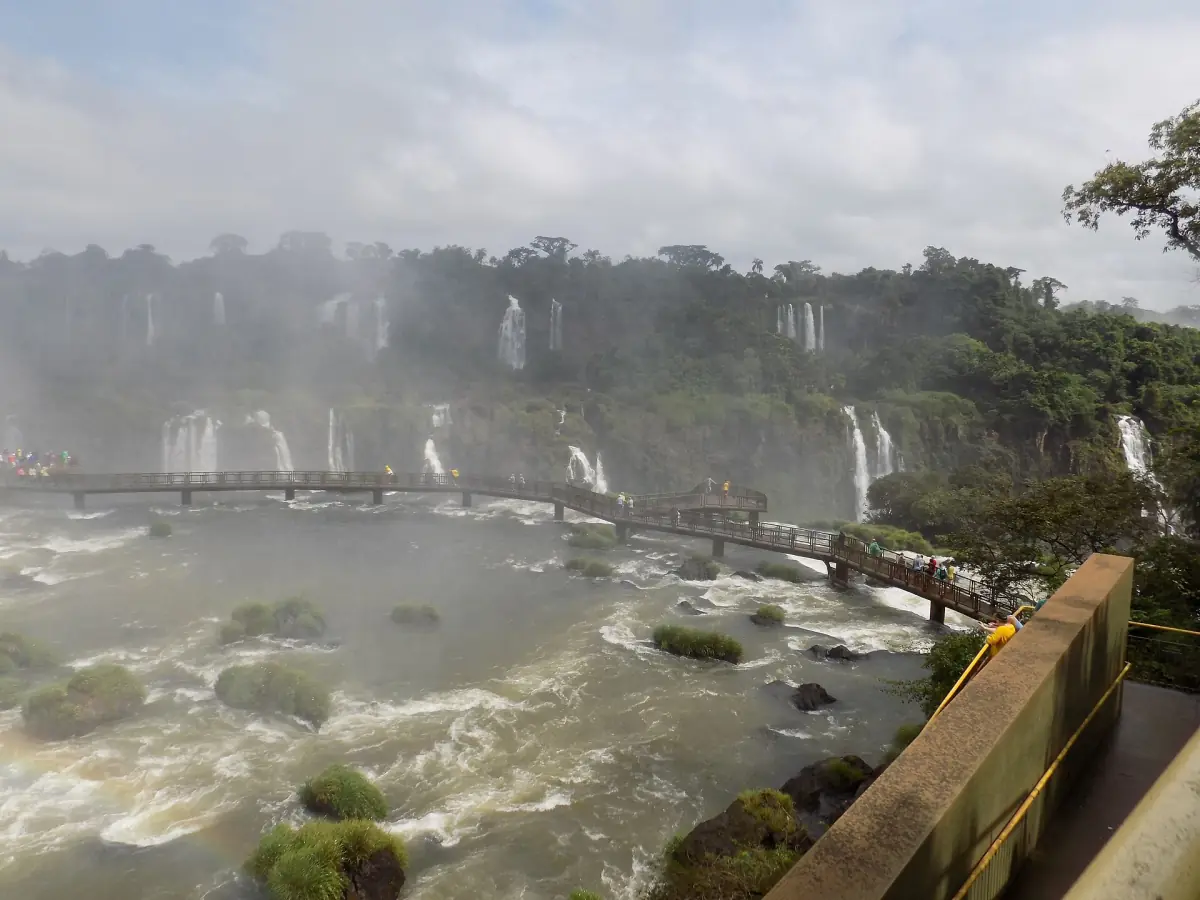
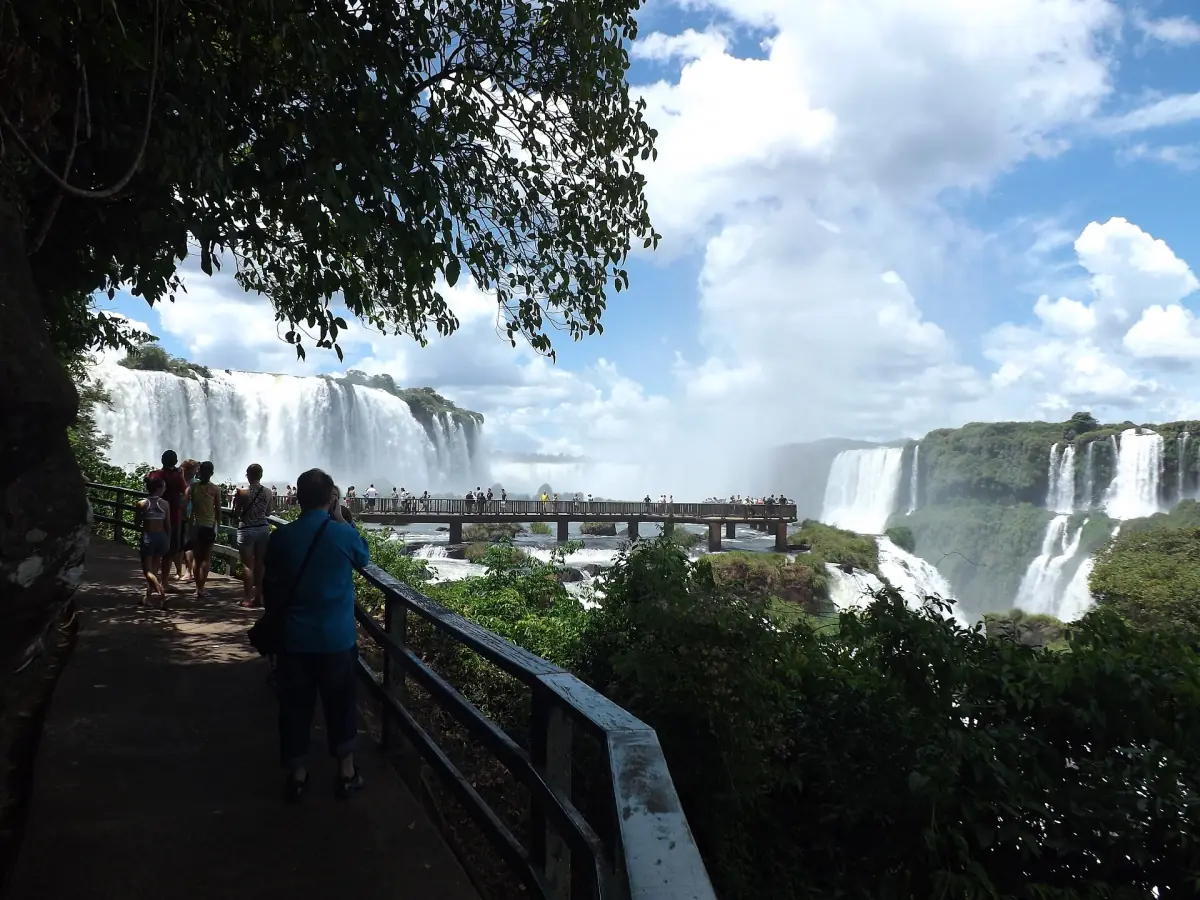
On the Brazilian side, the main trail is 1 to 1.5 km on foot. Plan roughly 2 hours for a traditional visit. For viewpoints, walkways and crowds in detail, read the Iguazu Falls guide. Ticket tiers and the Brazil/Mercosul category are explained on the tickets page.
Trails in Iguaçu National Park
Besides the main falls trail, two side trails lead into the forest.
Trilha das Cataratas
The main trail runs along the canyon with views of many falls. It is the route almost every visitor takes, and the open walkways lead out to the water.
Poço Preto
A trail of 9 km that can also be walked independently on foot. It is a long walk, so bring water.
Bananeiras
A shorter trail of 1.5 km, on foot or by bike. It suits a quiet walk away from the main crowds.
Access and extras
The trails at the falls area need no separate entry fee. Guided bike rides and special events cost extra. Side trails and walkways can close when the river rises or while work is under way, so ask at the entrance on the day.
Wildlife and visitor rules
Simple rules keep animals and visitors safe.
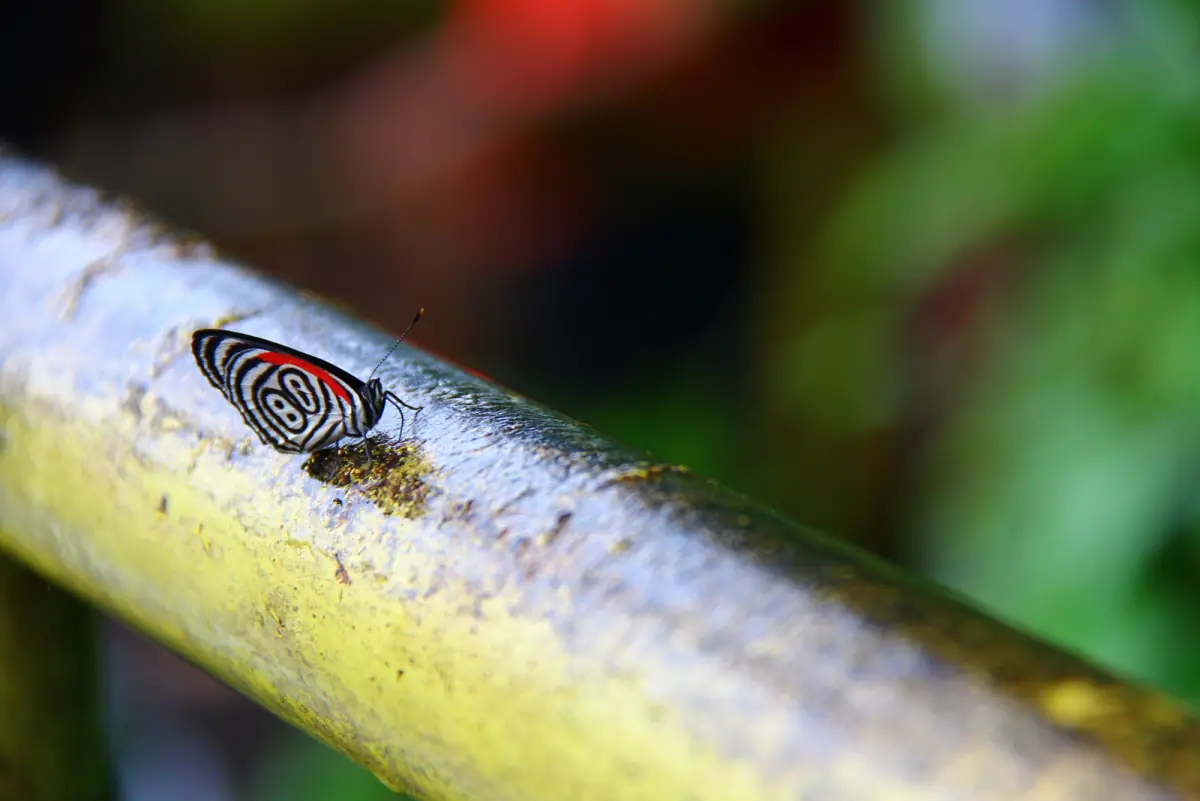
Coatis, called quatis in Portuguese, walk the paths and know what food looks like. Do not feed them, watch them from a distance and stay on the marked trails. Keep snacks in a closed bag, because coatis can grab food from your hands or pockets. Do not take anything out of the forest.
The park is home to jaguars. A conservation project with camera traps and joint counts with Argentina protects them, but a sighting on a day visit is not something to expect.
- Drones: not allowed for leisure or recreation.
- Swimming: allowed only at named spots in other park sectors. Do not assume you can swim near the falls, and follow the signs.
- Trails: stay on the marked paths.
Plan your visit
Prices are for 2026 and can change.
Entry prices
The full price is BRL 131. The Brazil/Mercosul category (Brazil, Argentina, Paraguay, Uruguay and Venezuela) pays BRL 118. Both are shown as BRL 134 and BRL 121 online, because the sale adds a voluntary BRL 3 contribution to the Fundo Iguaçu.
Buying and timing
Plan the visit online for an available date and time, because quotas are limited. Opening times differ between weekdays and weekends, so check the current timetable before you go.
High water
The walkways close as a precaution when the river carries more than 8.5 million liters per second and is rising. After heavy rain, check what is open before you drive out.
Where to go next
The Parque das Aves is a separate attraction with its own entry, close to the park entrance. For a full schedule, use the itinerary.
Frequently asked questions
Who runs the park?
ICMBio manages the protected area, and visitor services such as ticketing, buses and food are run under a concession.
How big is Iguaçu National Park?
The whole park covers 185,262 hectares. The World Heritage area is 169,695.88 hectares. The two numbers measure different things.
Can I walk the trails without a guide?
Yes. The trails at the falls area do not need a separate fee, and Poço Preto can be walked independently. Guided bike rides and events cost extra.
Can I feed the coatis?
No. Do not feed them, keep your distance and keep food in a closed bag.
Will I see a jaguar?
Jaguars live in the park, but seeing one on a day visit is not something to count on.
Can I swim in the park?
Swimming is allowed only at named spots in other park sectors. It is not part of a falls visit, so follow the signs.